Article: What Is a Coffee Microlot?
What Is a Coffee Microlot?
By Cafeistmo Journal
If you’ve ever spent time in the world of specialty coffee, you’ve probably heard the word “microlot” tossed around. But what does it really mean—and why does it matter to coffee lovers like us?
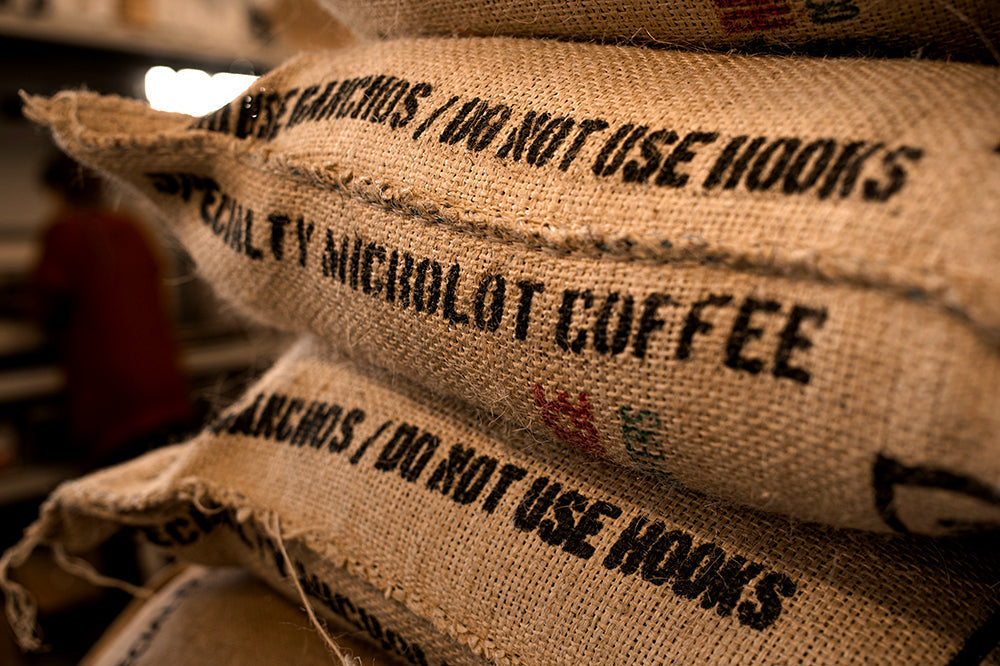
A coffee microlot is a small, distinct batch that has been harvested and processed separately from a farm’s larger production. Sometimes, a microlot comes from a particular hillside, a certain elevation, a single coffee variety, or even a small group of carefully selected trees.
By keeping these coffees separate, producers can protect the unique flavors and stories held within each harvest. It means that every microlot has its own identity—and can often be traced back to a specific patch of land, a coffee variety, a moment in the season, and the hands that helped shape it.
What Makes a Microlot Different?
Coffee farms normally produce many lots during a harvest. Some are combined into larger batches to create consistency and volume. Others stand out because of their exceptional quality or distinctive sensory characteristics.
These smaller, carefully managed batches can then be preserved and presented as microlots.
However, size alone does not make a coffee exceptional. A microlot should also reflect deliberate work throughout the production process. This may include:
- Selecting coffee from a specific area of the farm
- Harvesting cherries only when they have reached optimal ripeness
- Sorting the cherries to remove underripe or damaged fruit
- Processing and drying the coffee separately
- Evaluating the finished lot through repeated tasting and quality control
This extra care allows producers to highlight subtle differences—the unexpected flavors and aromas—that might otherwise get lost in a larger batch.
Why Are Microlots Important?
Coffee is deeply influenced by its environment. Elevation, rainfall, temperature, soil, shade, coffee variety, and agricultural practices can all help shape the final cup.
Conditions may even vary within the same farm. Coffee grown on a high, shaded slope may develop differently from coffee planted at a lower elevation or in an area with greater exposure to the sun.
Microlots allow producers to share a more precise expression of their land. For us as coffee drinkers, they offer the chance to experience a specific place and moment in time—almost like stepping onto the farm with every sip.
Because production is limited, a microlot may only be available for a short time. Once it has been sold and enjoyed, the exact same coffee cannot simply be reproduced. A future harvest may share some of its characteristics, but changes in weather and growing conditions will always introduce natural variation.
Panama Geisha and Microlot Production
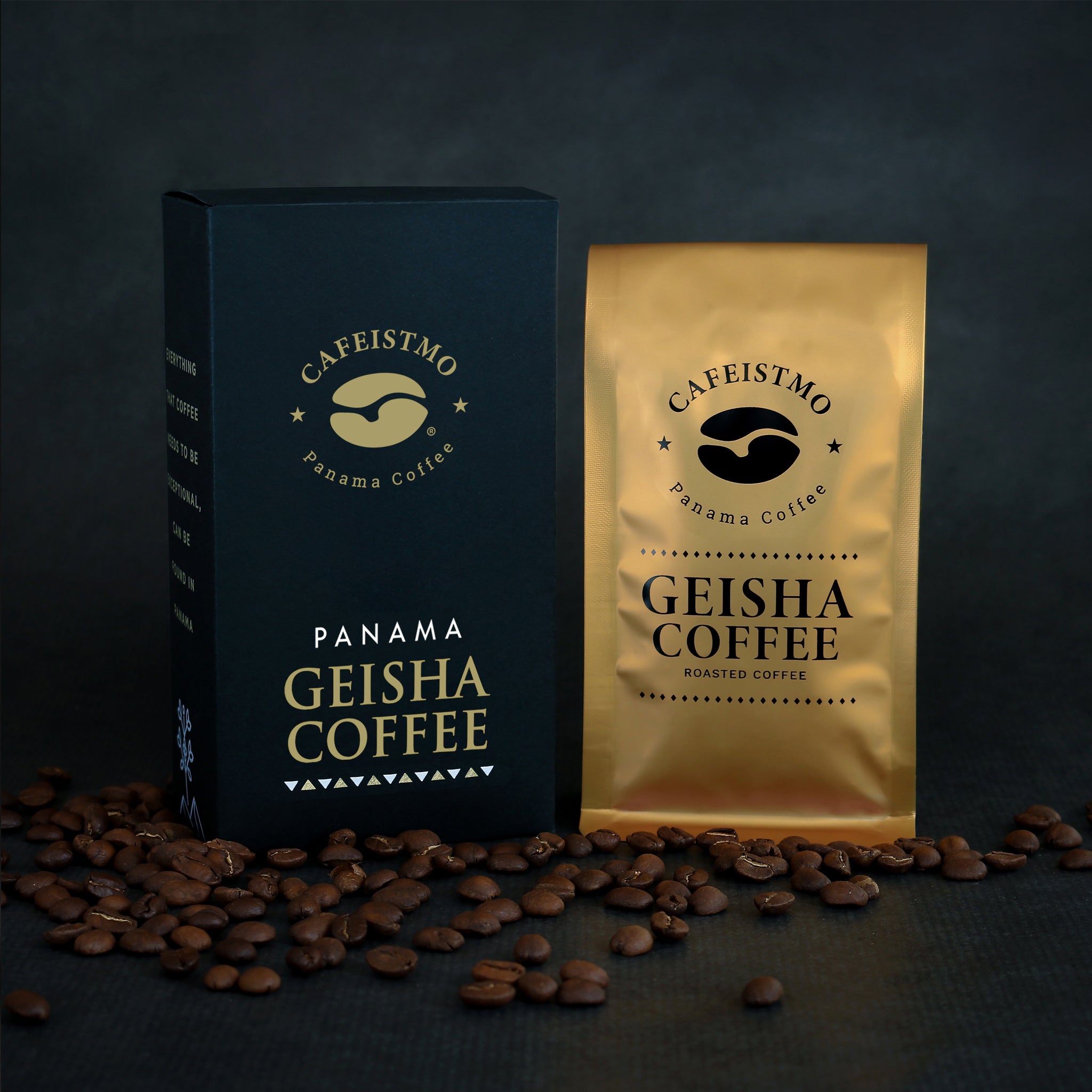
Panama Geisha is especially well suited to microlot production because of its remarkable aromatic complexity and sensitivity to its growing environment.
When cultivated under favorable conditions, Geisha can display delicate floral aromas, bright fruit notes, citrus-like acidity, and an elegant, tea-like texture. These characteristics can vary considerably depending on the farm, elevation, harvest, and processing method.
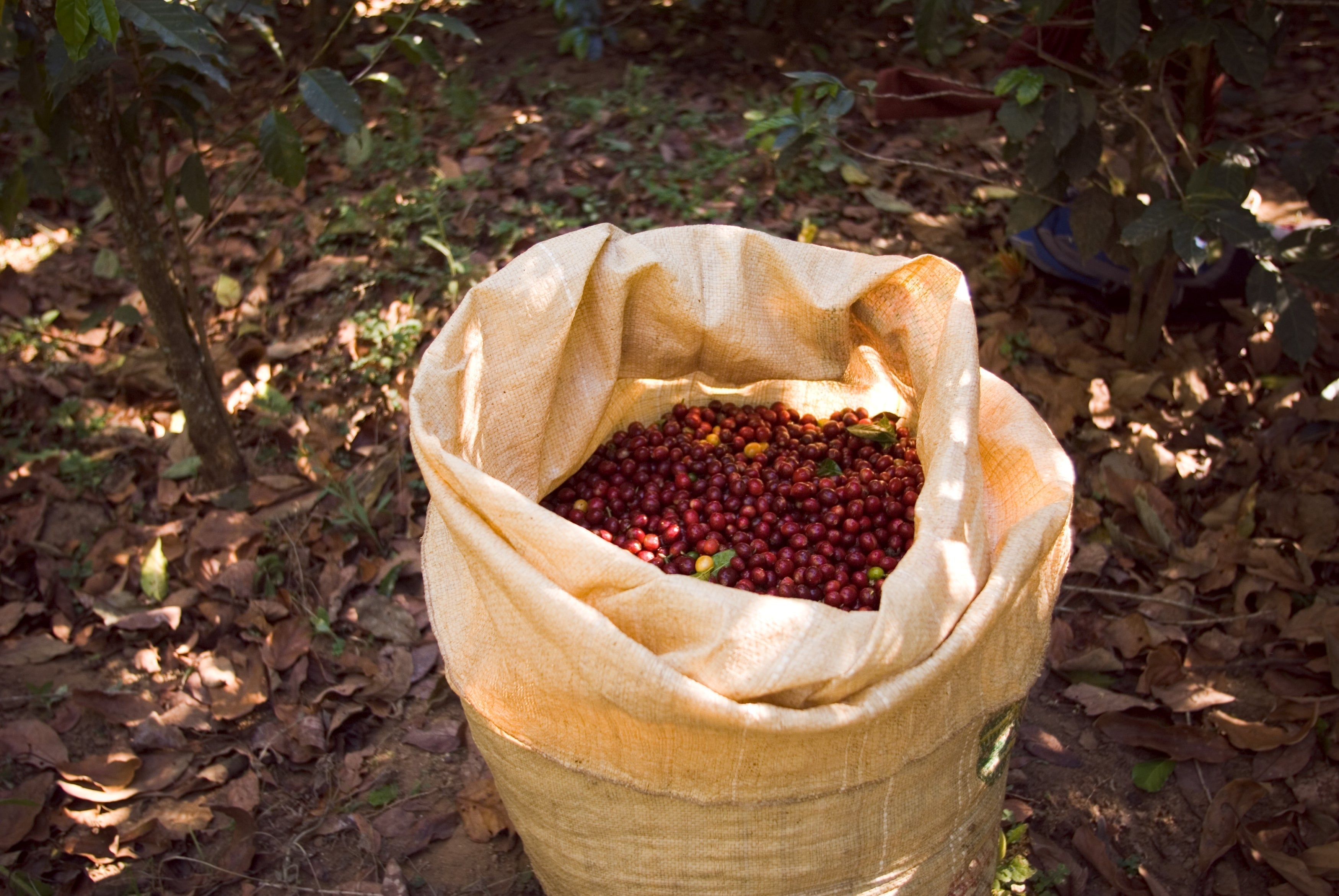
Producing an exceptional Geisha microlot requires close attention at every stage. Ripe cherries are generally picked by hand over several passes through the farm, since the fruit does not all mature at once. After harvesting, the cherries are sorted so that only those meeting the producer’s standards continue through the process.
The coffee is then processed and dried as an individual lot, allowing the producer to preserve and reveal its distinctive character.
How Are Geisha Microlots Processed?
There is no single processing method used for every Geisha microlot. Each method can bring forward a different side of the coffee.
In the washed process, the fruit and mucilage surrounding the coffee seeds are removed before drying. This method often produces a clean and transparent cup, allowing Geisha’s floral aromas, bright acidity, and delicate structure to shine.
In the natural process, the whole coffee cherry is dried with the seeds still inside. When carefully controlled, this can create a sweeter, fuller, and more fruit-forward profile.
The honey process removes the outer skin while leaving some of the mucilage on the seeds during drying. This approach can offer a beautiful balance between the clarity of a washed coffee and the sweetness associated with natural processing.
Some producers also experiment with controlled fermentation techniques to explore new expressions of the variety. Regardless of the method, close monitoring is essential. The goal is not simply to create intense or unusual flavors, but to preserve balance, clarity, and the inherent qualities of the coffee.
Why Do Microlots Cost More?
Microlots are usually more expensive to produce than larger commercial lots.
They require selective harvesting, extensive sorting, separate processing, careful drying, detailed recordkeeping, and repeated evaluation. Their limited size also means that these costs are distributed across fewer bags of coffee.
Exceptional Panama Geisha microlots are particularly sought after because they combine limited availability with an extraordinary sensory experience. Some competition and auction lots have reached remarkable prices, but not every microlot is created for competition.
Many simply represent a producer’s desire to share a small and distinctive expression of their farm—one that might otherwise have disappeared into a larger harvest.
A Coffee with a Precise Sense of Place
A microlot is so much more than a small quantity of coffee. At its best, it is the culmination of thoughtful choices, care, and passion—from the first blossoms on the trees to the coffee poured into your cup.
It allows farmers and producers to preserve what is distinctive about a particular harvest—and gives coffee drinkers the opportunity to experience that individuality with greater clarity.
If you’re curious about Panama Geisha, tasting a microlot is like being invited into the story of a farm, where variety, landscape, craftsmanship, and time all come together.
Each cup captures a fleeting moment: unique, unrepeatable, and best savored slowly, one sip at a time.